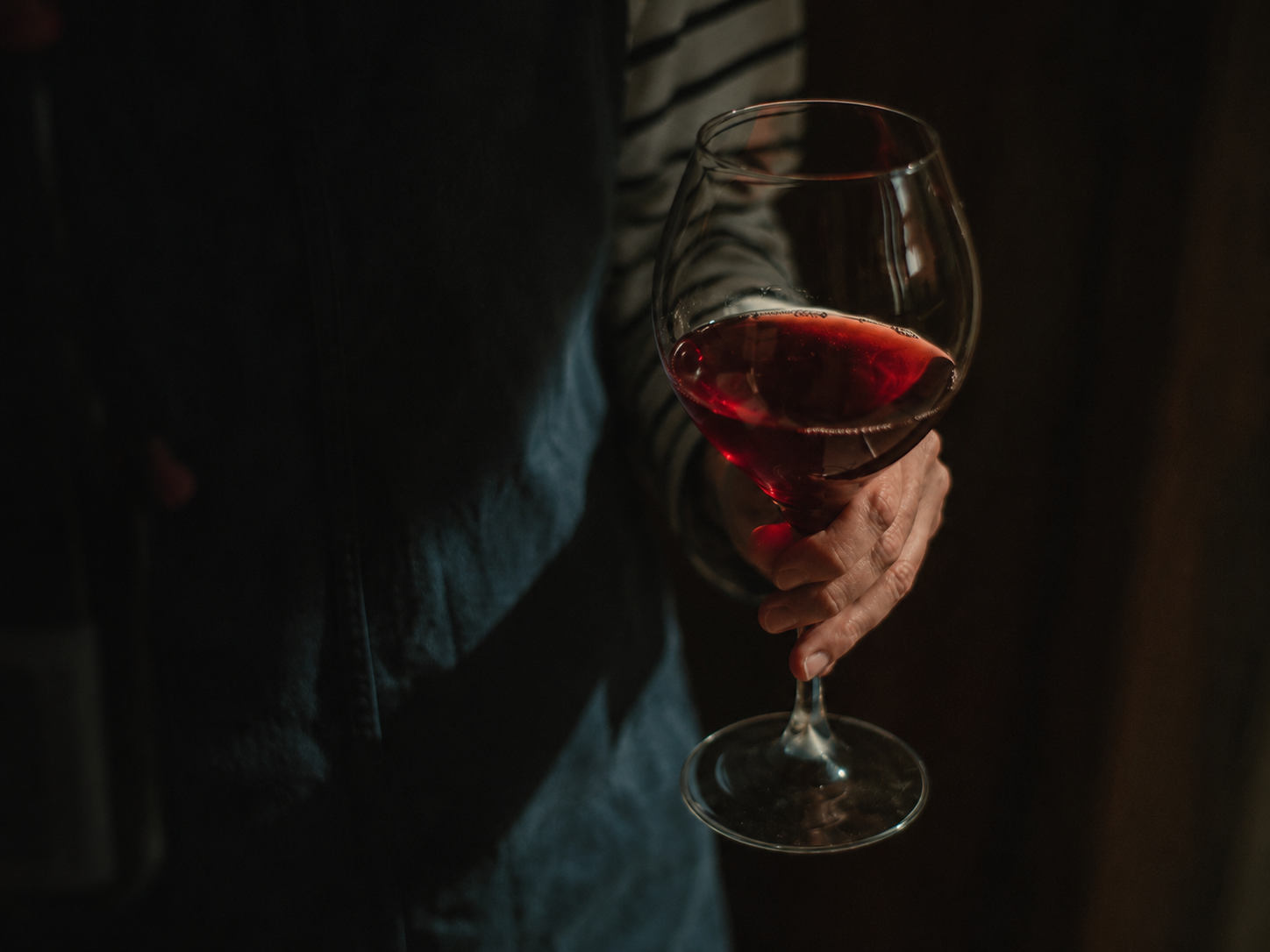
What words do to wine
Rilke feared that our words take the life out of things. Anyone who has tried to describe a wine knows the suspicion he meant.
The Journal
Stories from our farm, observations from vineyard and cellar, finds from nearly two centuries of family history. And now and then a philosophical thought that won't quite let go of wine.
Rilke feared that our words take the life out of things. Anyone who has tried to describe a wine knows the suspicion he meant.
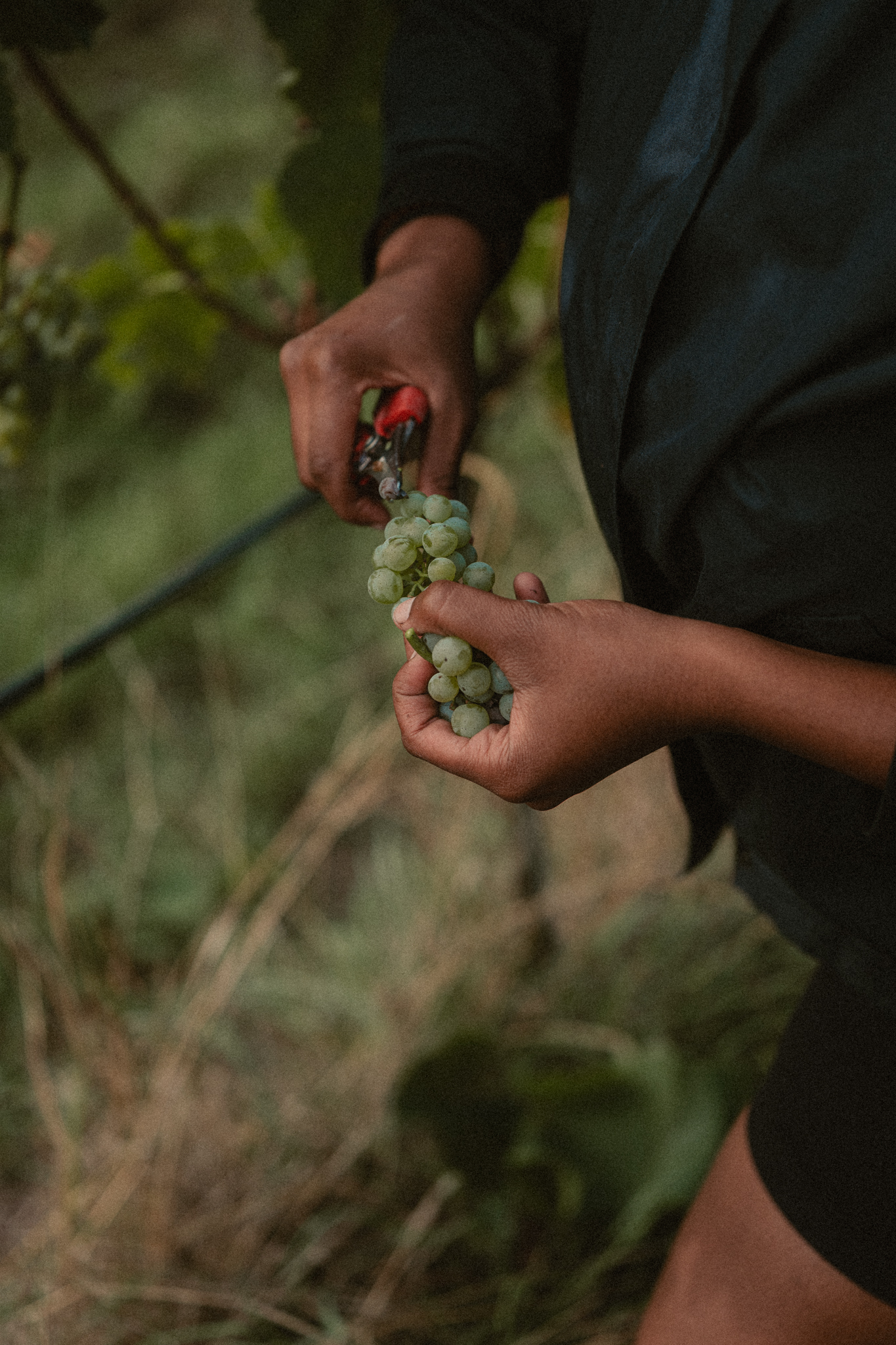
We hear this question every autumn. Usually, an answer comes easily. This year it takes a few numbers and some patience.
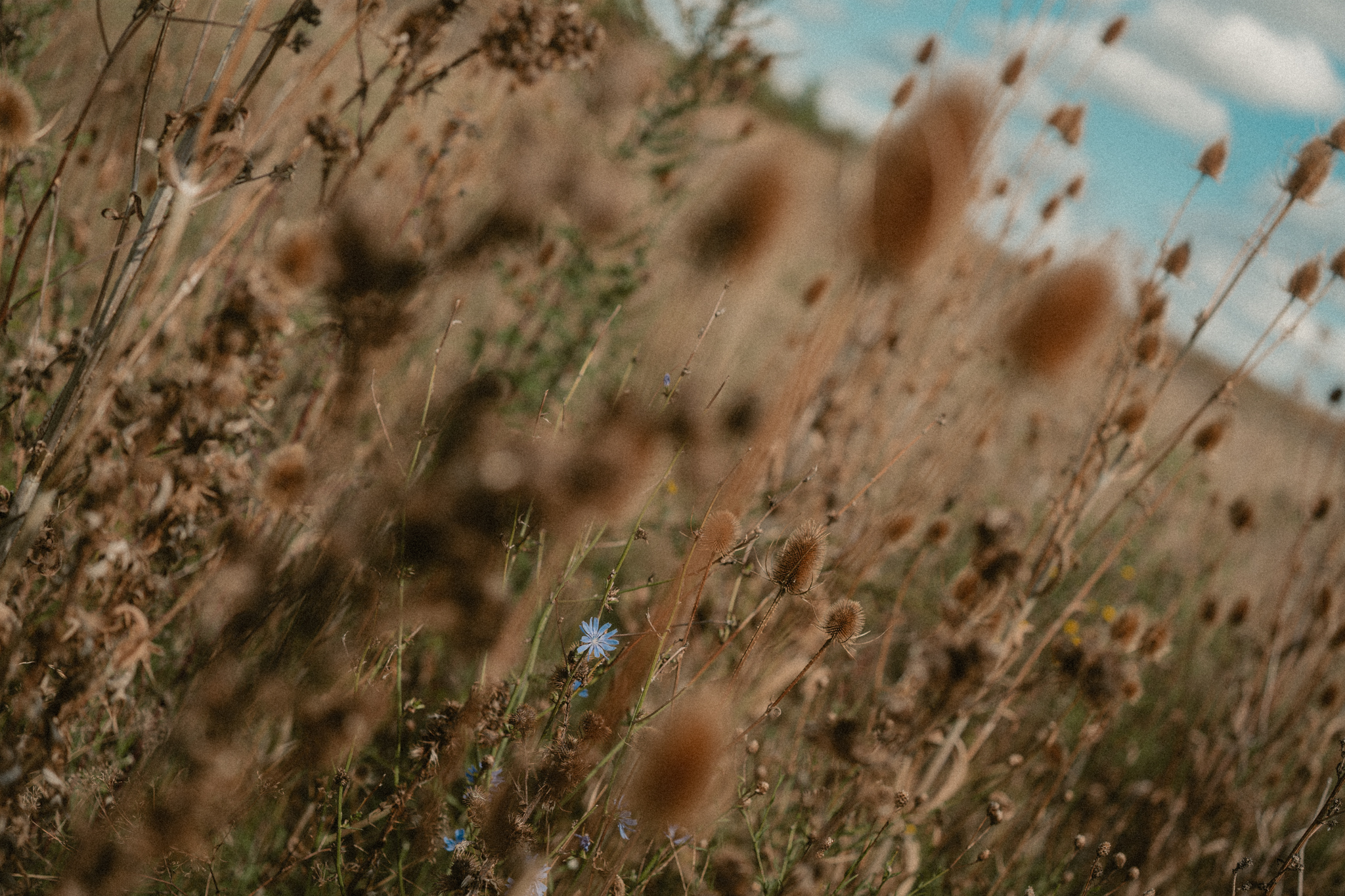
We talk constantly about protecting the environment. But whose environment, exactly? A conversation with my former philosophy professor led me to a biologist who asked this question, surprisingly radically, over a hundred years ago.
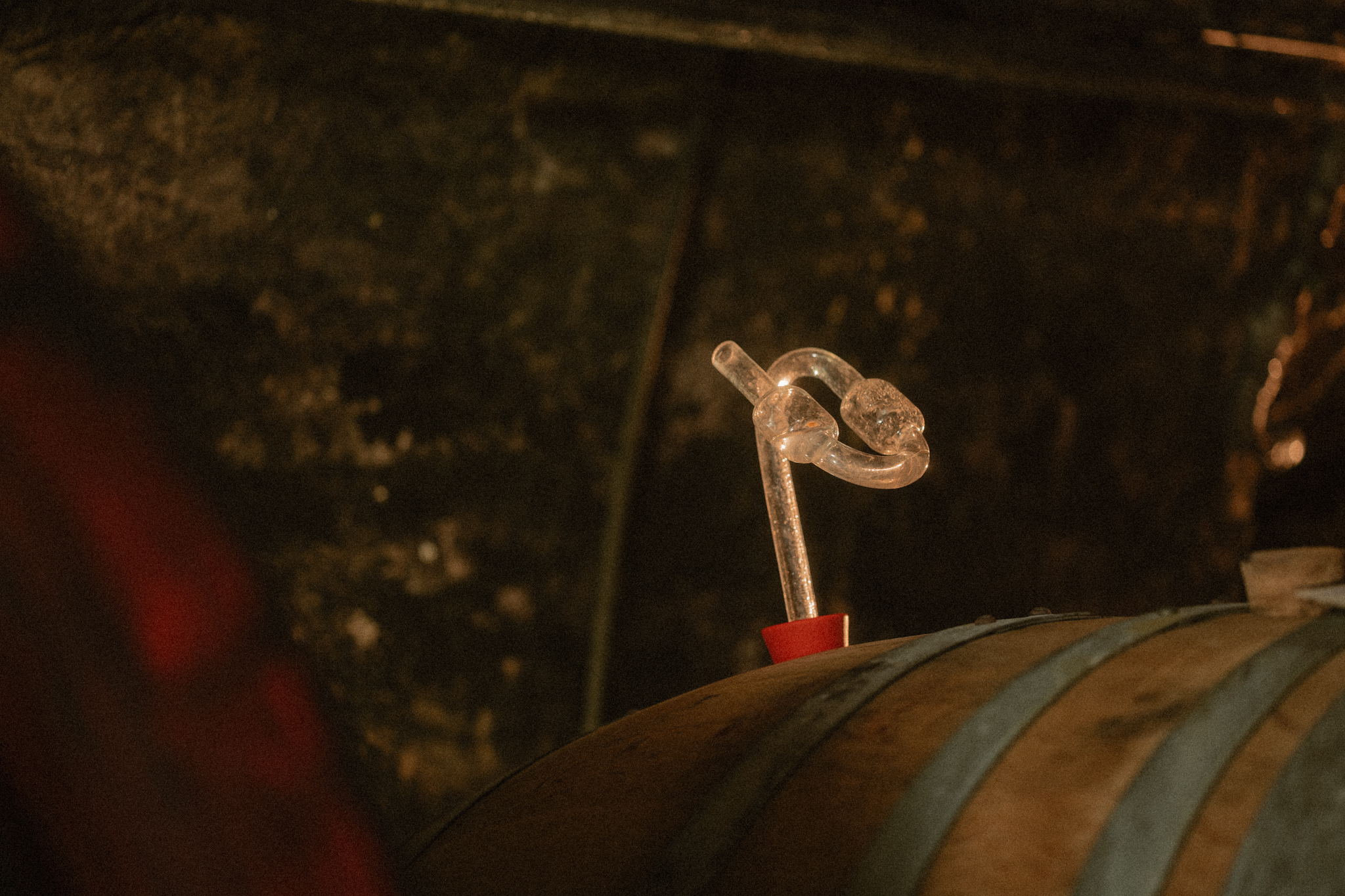
Spontaneous fermentation sounds like waiting around with a cup of tea. In truth you only postpone the decision, and look harder every day in exchange.
People talk a lot about what natural wine leaves out. Surprisingly little about what you can give a wine instead: time.
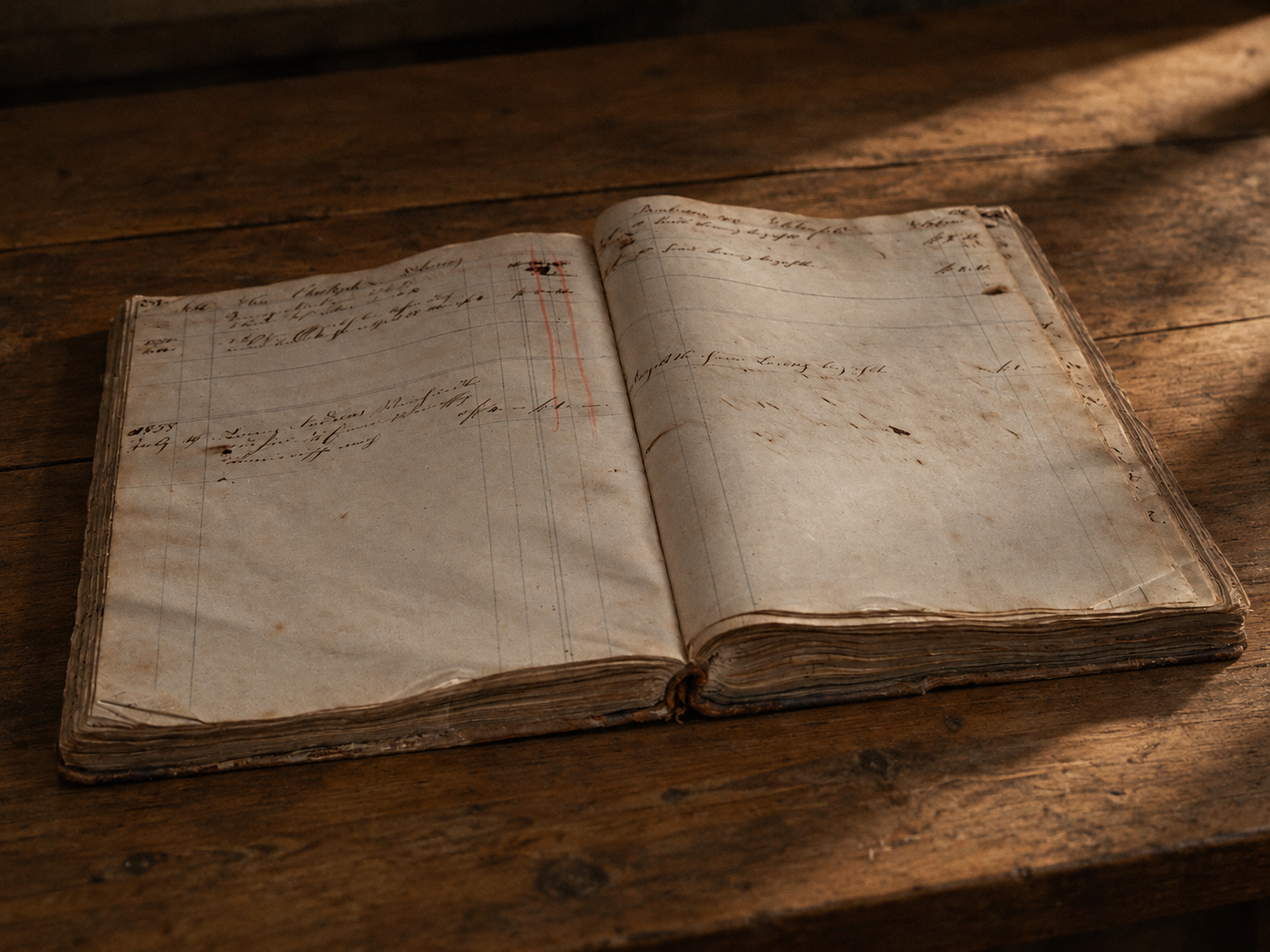
Five years before founding the company Bernhard Völker, our ancestor kept a diary. Reverence was not exactly his strong suit.
Most of our parcels will never become a wine of their own. We still want to know what each one delivered.
We intervene, constantly. The only question is how much of the result we decide in advance.
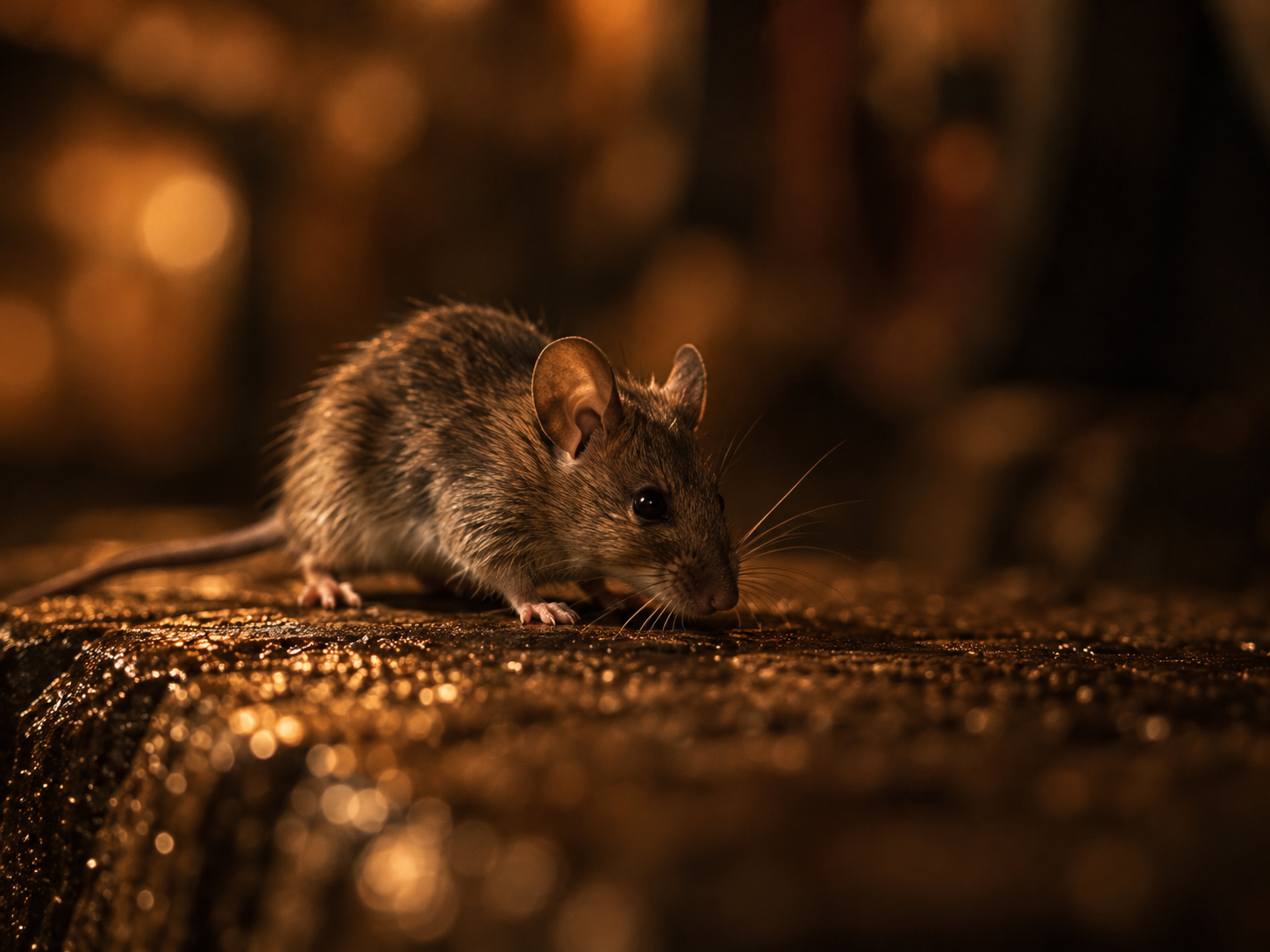
Mousiness is usually a phase in a wine's life. Not a pretty one, but one that passes if you give it time.