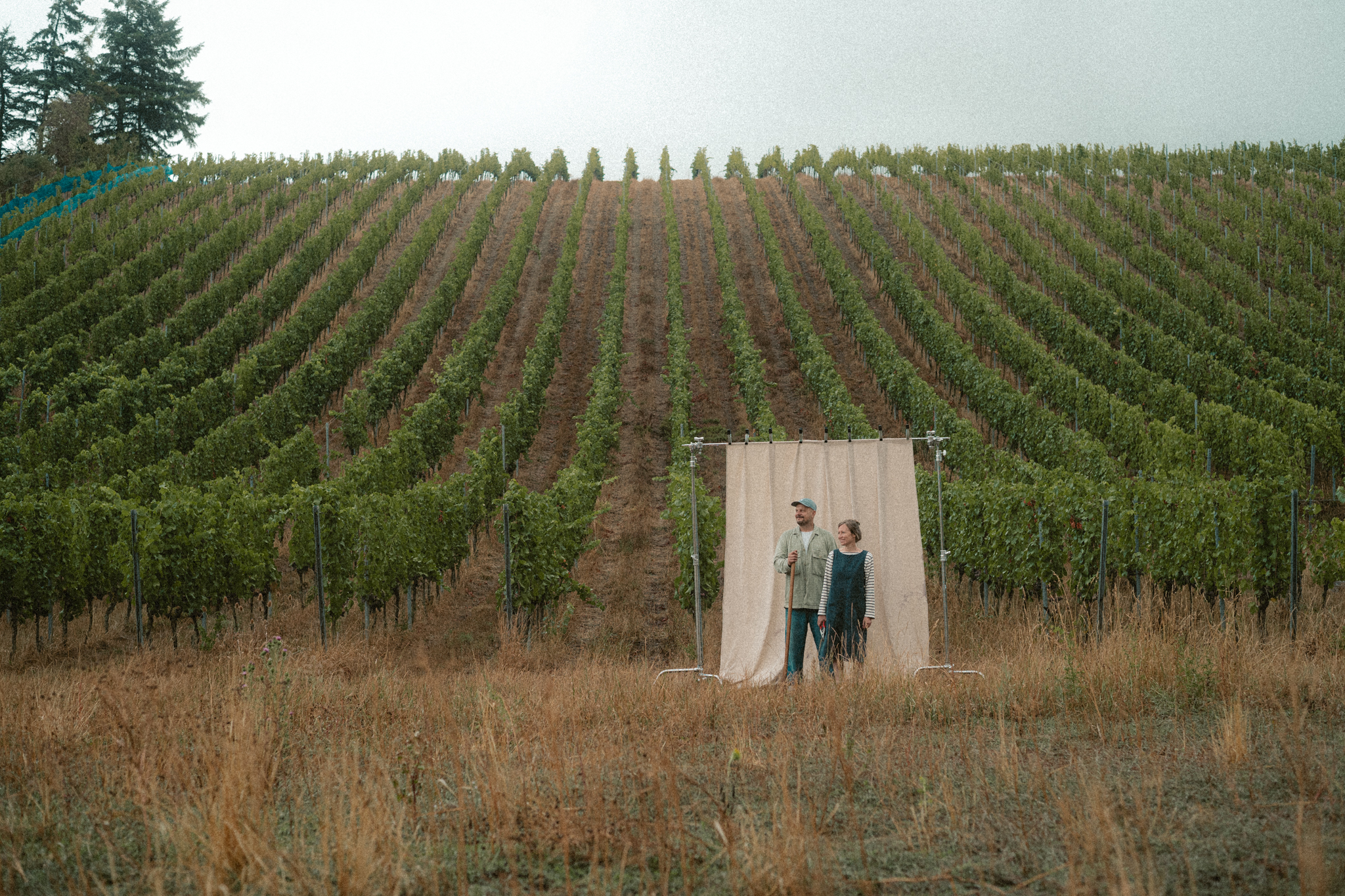
A long way off first
The way back started by going a long way off. Michael studied philosophy in Erlangen and Leipzig, Melanie Jewish studies in Heidelberg. Then we spent years working for science publishers, the last of them in London. If you suspect a master plan for the grand return to the family estate: there wasn't one.
What there was, was wine. In London we drank bottles from France and Italy that tasted like nothing we knew from home. Some were stubborn, some just plain odd. Looking back, we'd say the best of them had something you can't plan for. At the time we only knew we couldn't shake it. To put it more soberly: for the first time we were drinking wines made by people who had chosen not to decide everything. And we started to wonder why that shouldn't be possible back home.
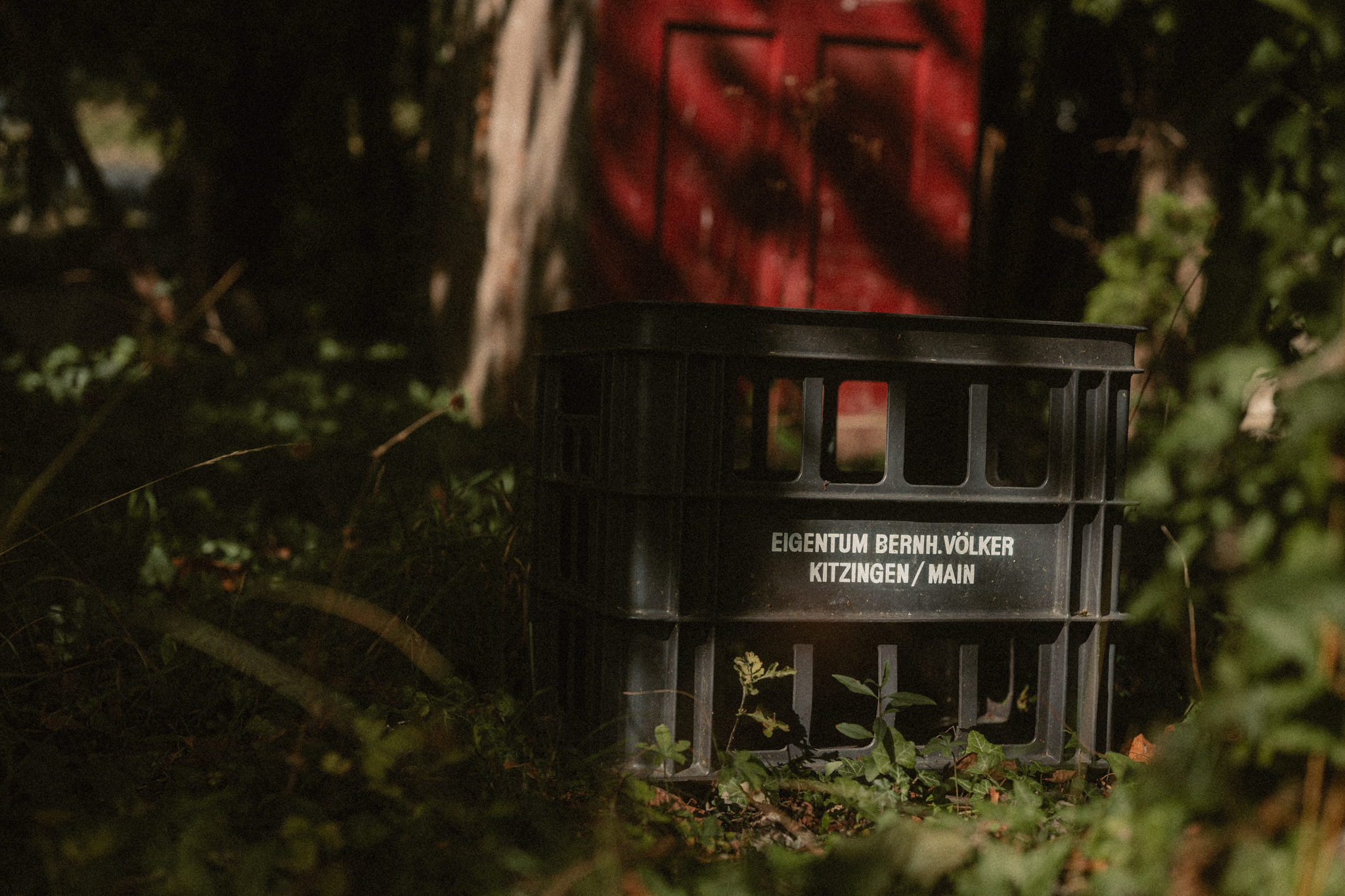
The detour mattered
We didn't come back to follow a path already laid out. The years away from wine were what made that possible. We had seen other kinds of work, other cities, other people and other ideas of how things could be done. Only from the outside could we see that you can return to an old business without simply carrying on where the last generation left off.
When we came back in 2013, much about the farm was familiar, but nothing was self-evident any more. We could hardly have asked for a better starting point. We still had almost everything to learn, pruning, soils, cellar work, microbes, machinery, weather. But we could ask the questions people stop asking when they've never been away. Why do you do it like that? What happens if you don't? Which decision makes a wine better, and which only makes it more predictable? The most common answer was: that's how it's always been done. (Not a bad answer. Just not a reason.)
For the first two vintages there were two wines next to the parents' classic range, and a few more every year after that. For six years two ideas of wine shared one cellar, and it would be a stretch to say they always got along. In 2019 the sharing stopped. Since then, this farm has made natural wine and nothing else.
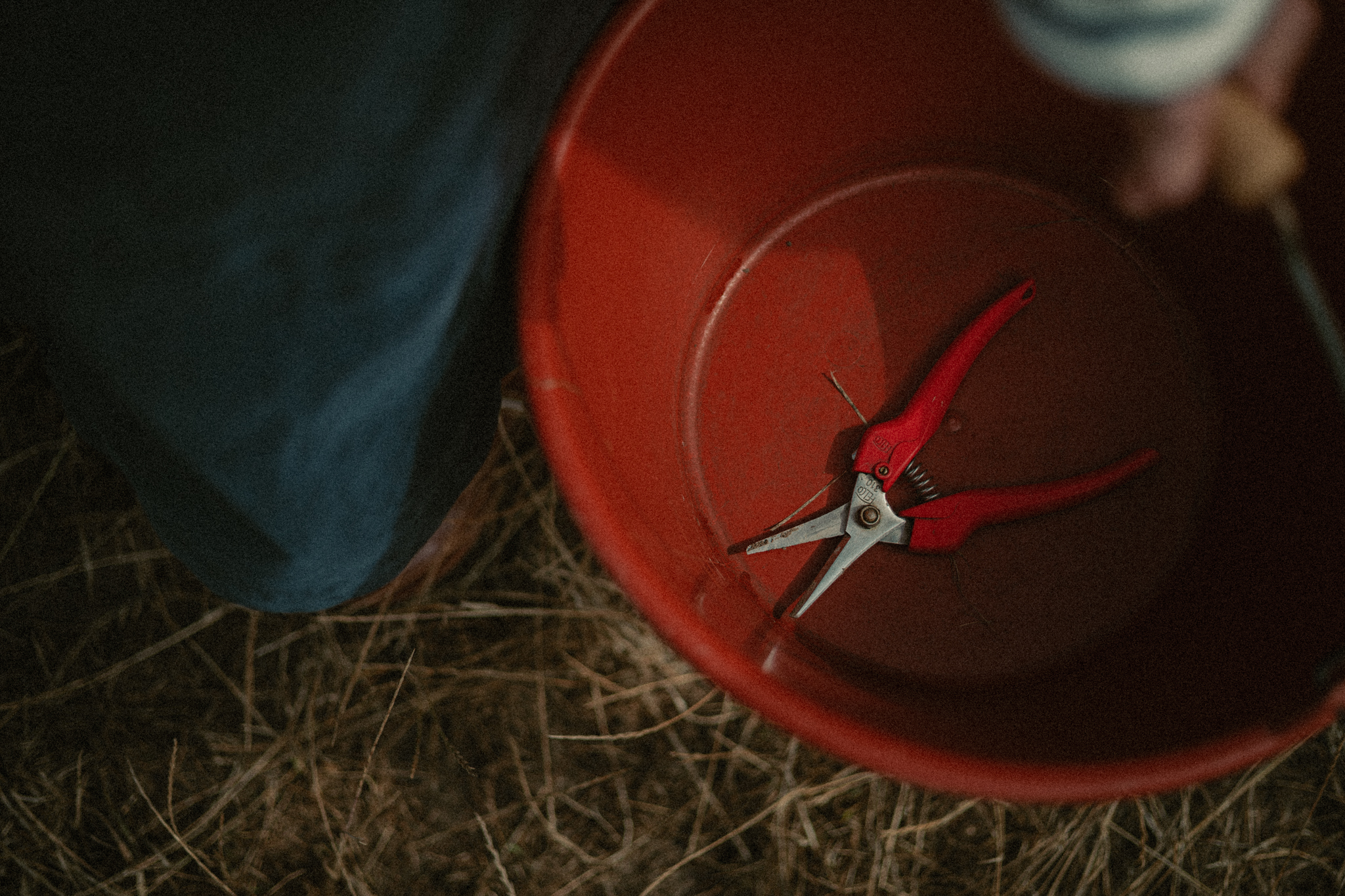
Two Naturkinder
The name suggests bare feet and campfires. The reality is a farm in the middle of a town, tractors, computers, and more hours spent on customs paperwork and logistics than the word Naturkind would lead you to expect. What the name does get right is the curiosity: what happens when you don't settle everything in advance?
Michael spends most of his time in the vineyard and the cellar. Melanie holds together most of what turns wine into a business. The big decisions we make together, about wines as much as labels, travel, new projects or what we'd rather leave alone, and not always quickly. That we see things differently helps. Mostly.
2Naturkinder has come a long way from the first barrels of 2013. The questions from back then have stayed. How much should one decide? When should one step in, and when wait? And how do you make a wine that doesn't just fulfil an idea but brings something of its own? The answers are different every year.