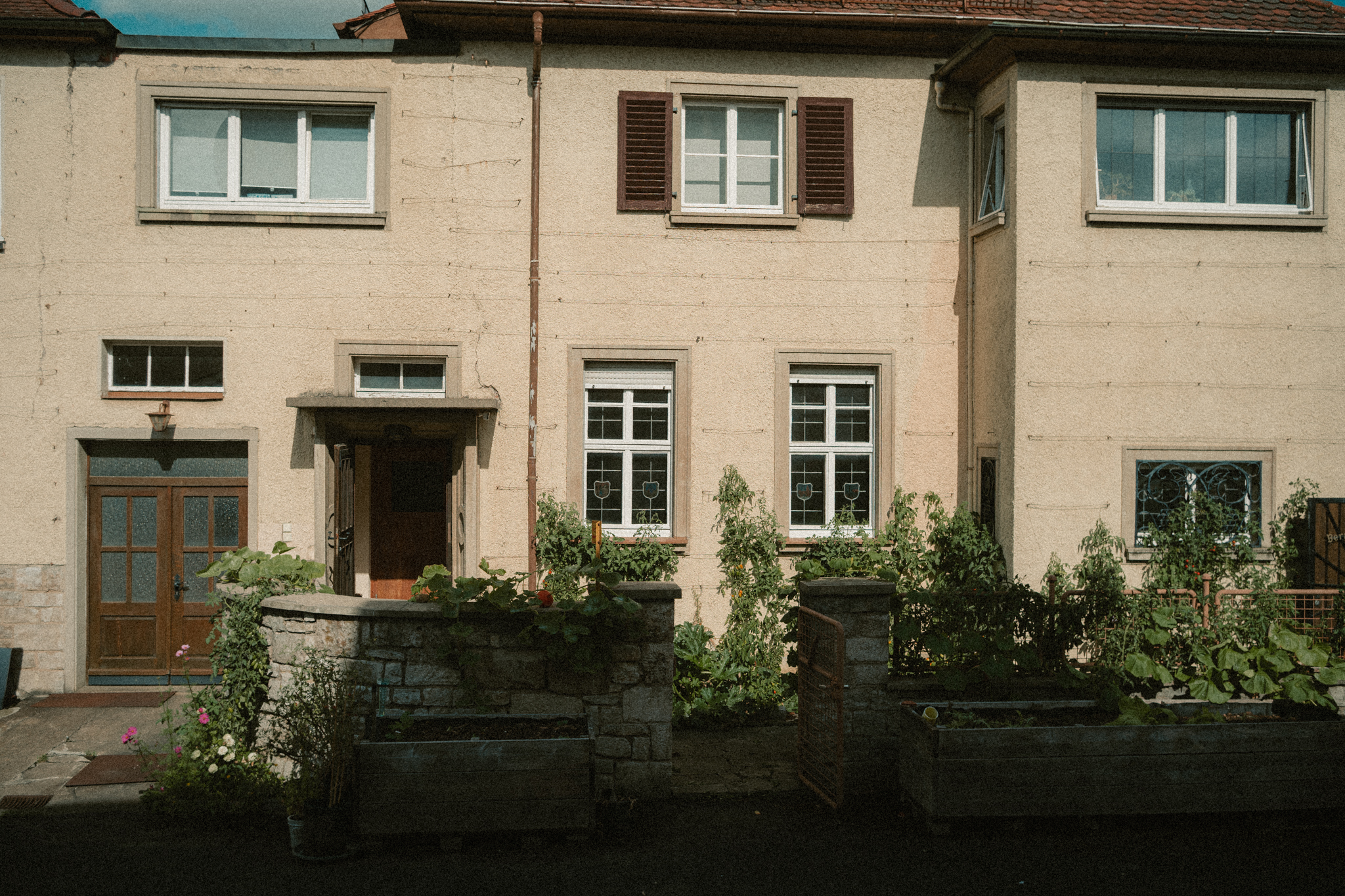
Kitzingen, Franconia
Our family has been making wine here for more than three hundred years. Since 1843 the business has carried the name Bernhard Völker; to the outside world it is now 2Naturkinder.
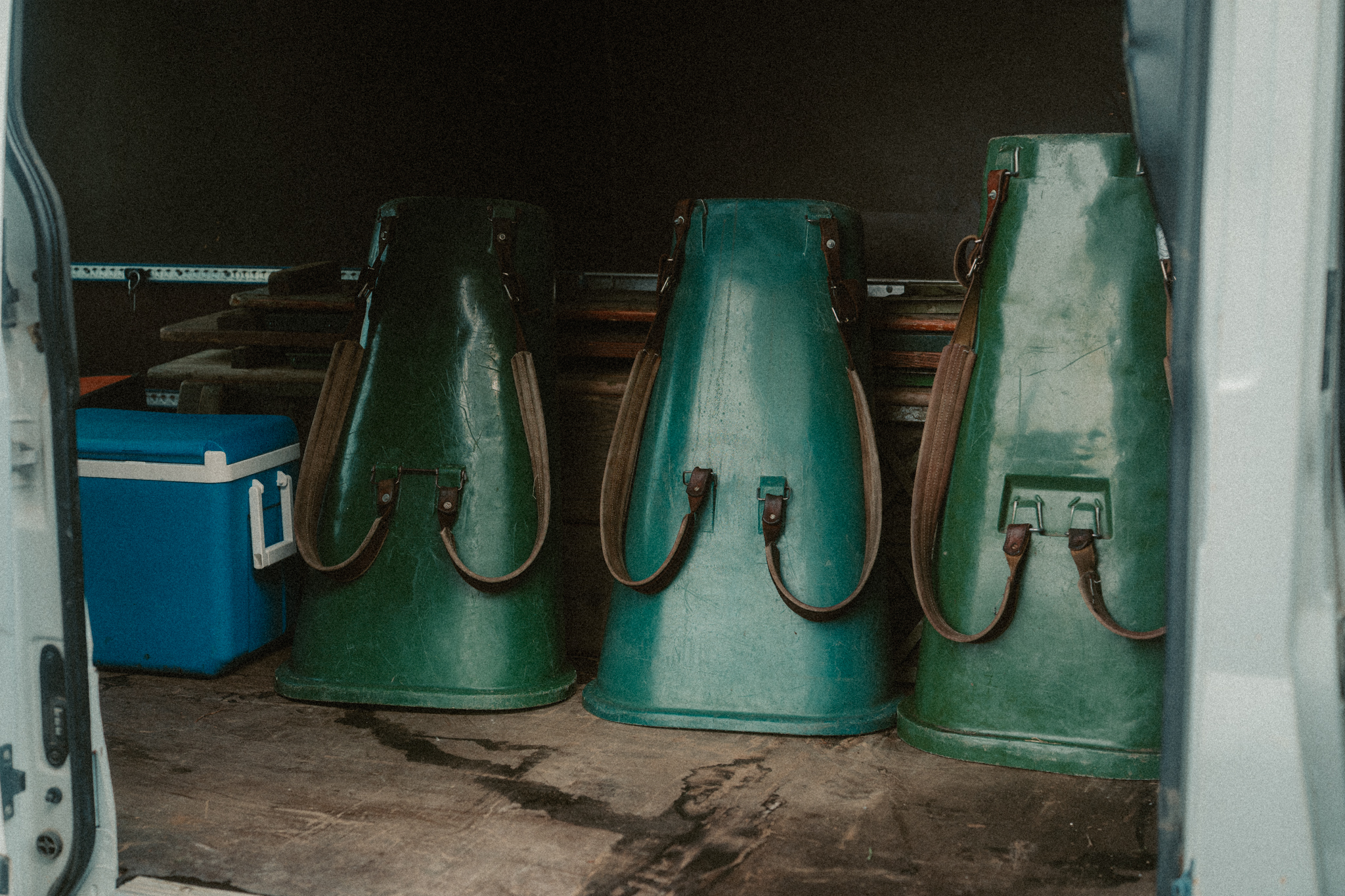
Most of our vineyards are on the Kitzinger Eselsberg and the Eherieder Berg, a few minutes from the yard: seven hectares in all, farmed organically and certified. Almost all of them grow on Muschelkalk, the shell limestone of the Main valley. One Silvaner parcel in Rödelsee sits on Keuper at three hundred metres, a stylistic outlier in our range. Some parcels have been ours for only a few years, others have been with the family for generations, one of them without interruption since around 1780. The farm on Güterhallstraße, with its stone cellar, has been part of the story since the late nineteenth century.
In 2013 we made our first wines here as 2Naturkinder, at first as a project inside the existing estate. For a few years two very different ideas of wine ran under one roof; then the project became the direction of the whole business. Since 2019 we have made only natural wine, and since the start of 2020 we have run the family company ourselves.
So 2Naturkinder is not a new brand built on a green field. It is the current form of an estate that was here long before us. How we work in the vineyard and the cellar is on the page Vineyard & cellar. This page is about something else: the place, and how it became what it is.
Which also explains why history interests us, even though we have little use for nostalgia. A business doesn't reach 180 years by standing still.
The story doesn't start in 1843
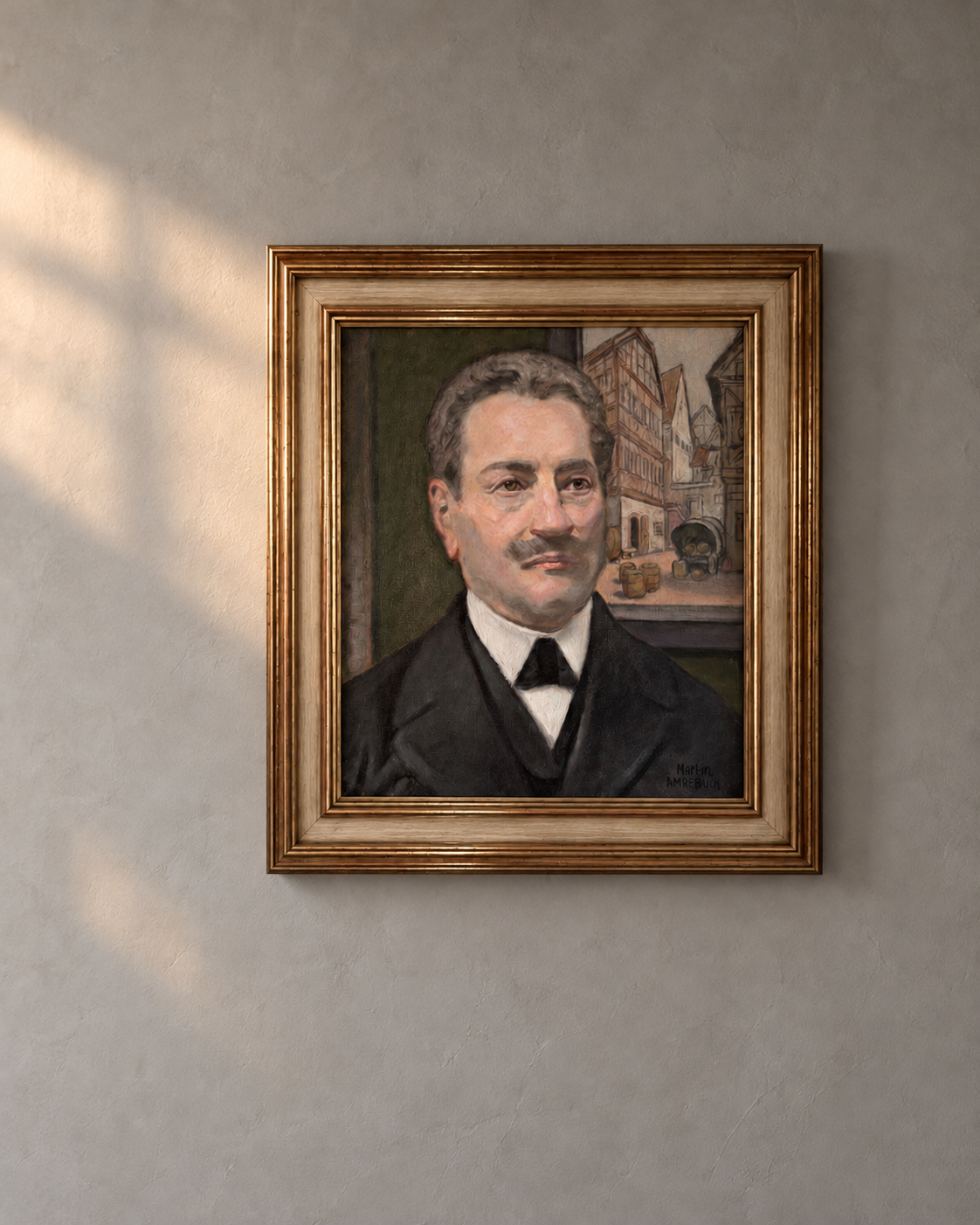
Around 1695 Johann Michael Völker came down from the Spessart hills to Kitzingen. The Thirty Years' War was less than fifty years past, much of Franconia had been emptied of people and many fields still lay fallow. Kitzingen, though, was growing again. It sat well on the river Main and the imperial road, craftsmen were needed, and Protestant families were allowed to settle once more.
Johann Michael was a cobbler. He married into an old family of coopers who had owned a vineyard since at least 1665, and switched trades: shoes for vines, not a bad swap in a town that lived on wine. His son was later working several sites around Kitzingen, and over the following generations cooperage, winegrowing and trade grew ever closer together.
His grandson Georg Bernhard bought a vineyard in the late eighteenth century that is still ours. We don't know exactly when, some time between 1780 and 1800. When it was replanted in 1985, two stones came out of the ground. One reads "Andreas Bermuth – 1708", the previous owner; the other "Carl Völker – 1883". Between and after them, people pruned vines here who never met and would probably have argued about wine if they had.
The vineyard stayed; the rulers didn't. Kitzingen belonged to the Prince-Bishopric of Würzburg, became Bavarian after secularisation, spent 1806 to 1814 in a Grand Duchy of Würzburg that hardly anyone remembers, and then went back to Bavaria for good. Regimes came and went faster than a vineyard grows old.
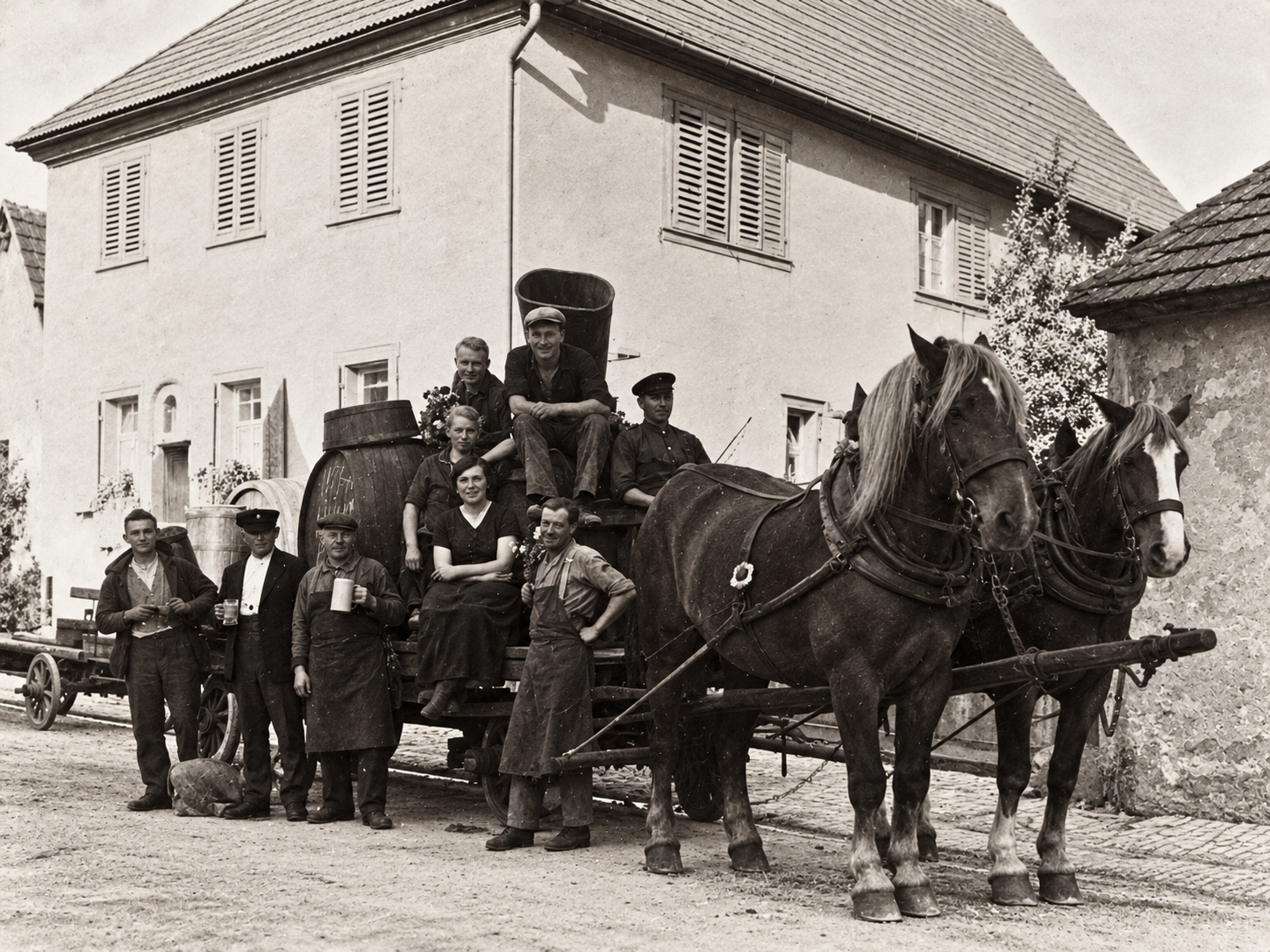
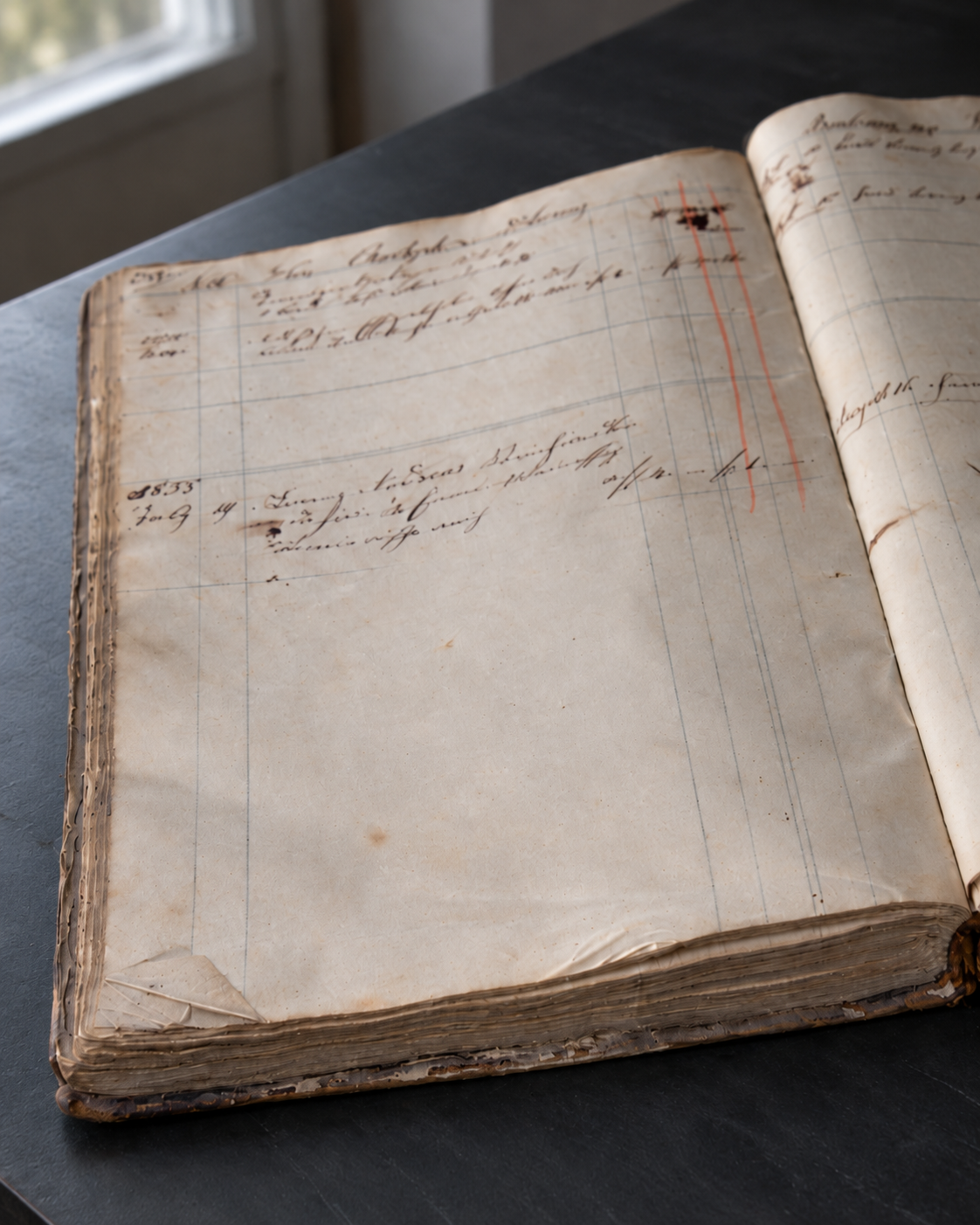
In 1843 the master cooper Bernhard Georg Völker registered a company under his own name. Line of business: "viticulture, wine trade, vinegar making". (Anyone who makes wine ends up with some vinegar. Back then, at least, they sold it.) For us 1843 matters, but it isn't the beginning. It is the moment something that had been going on for generations got a company name. Its oldest surviving ledger is from 1847 and is still in our archive.
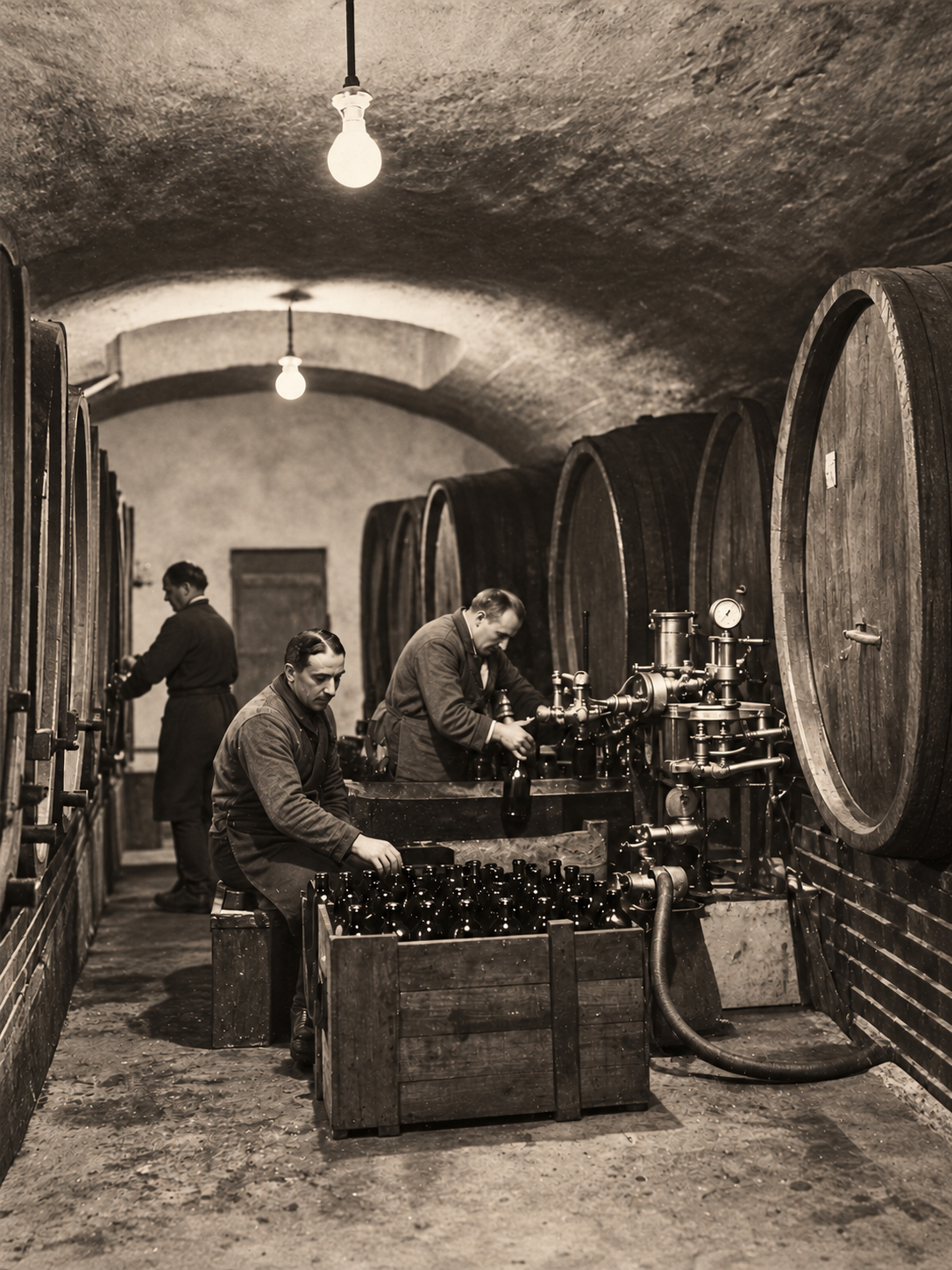
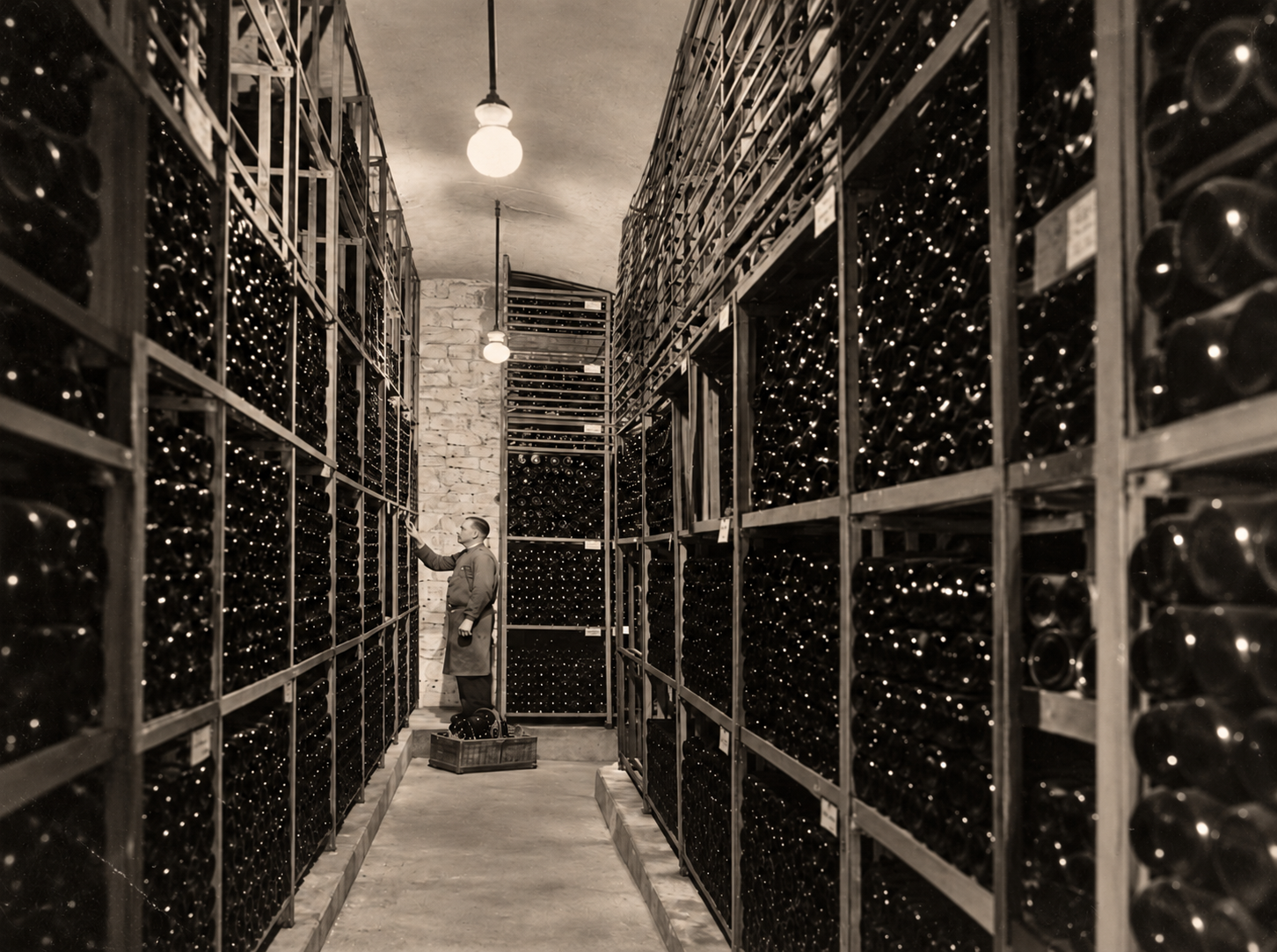
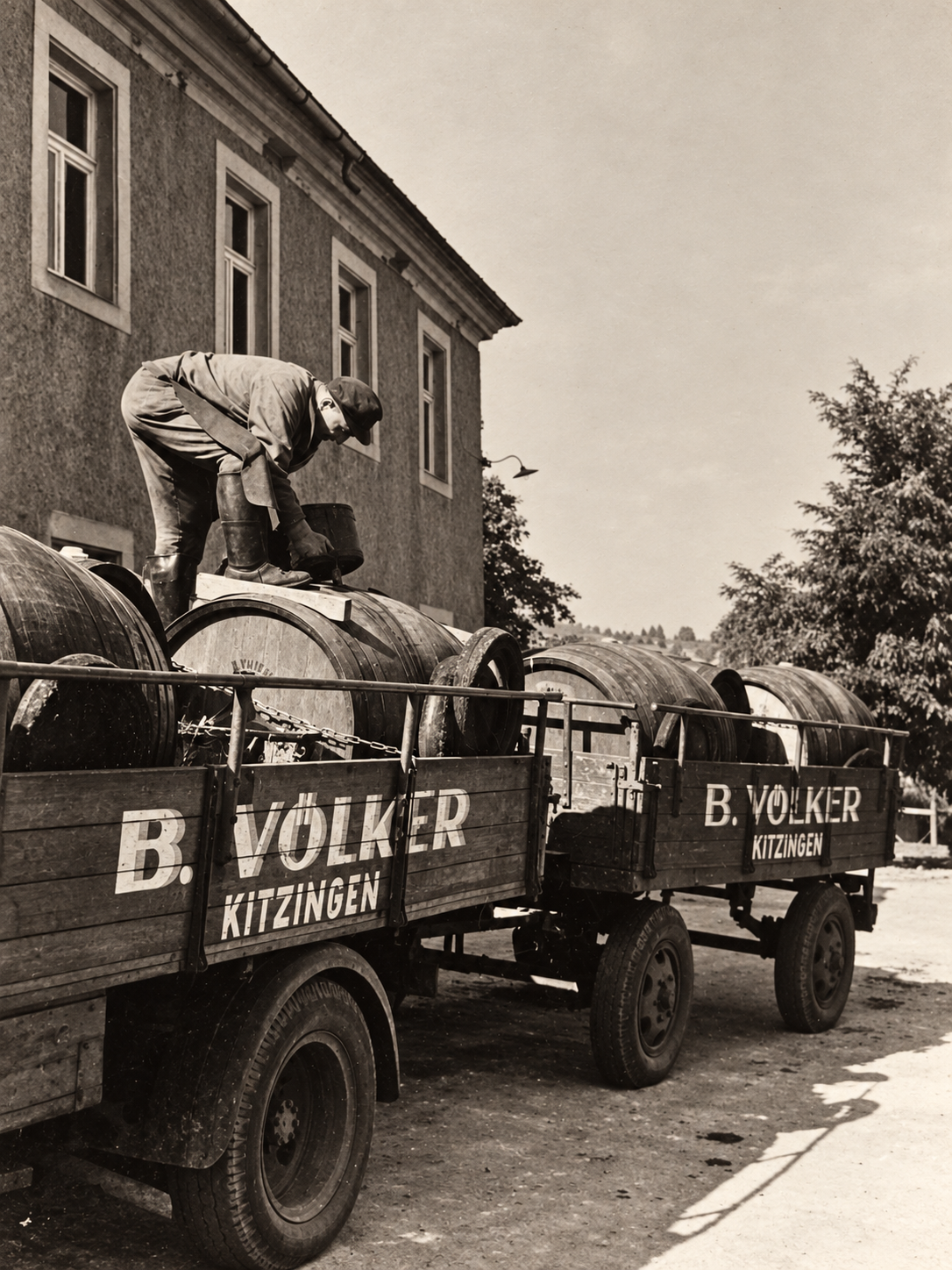
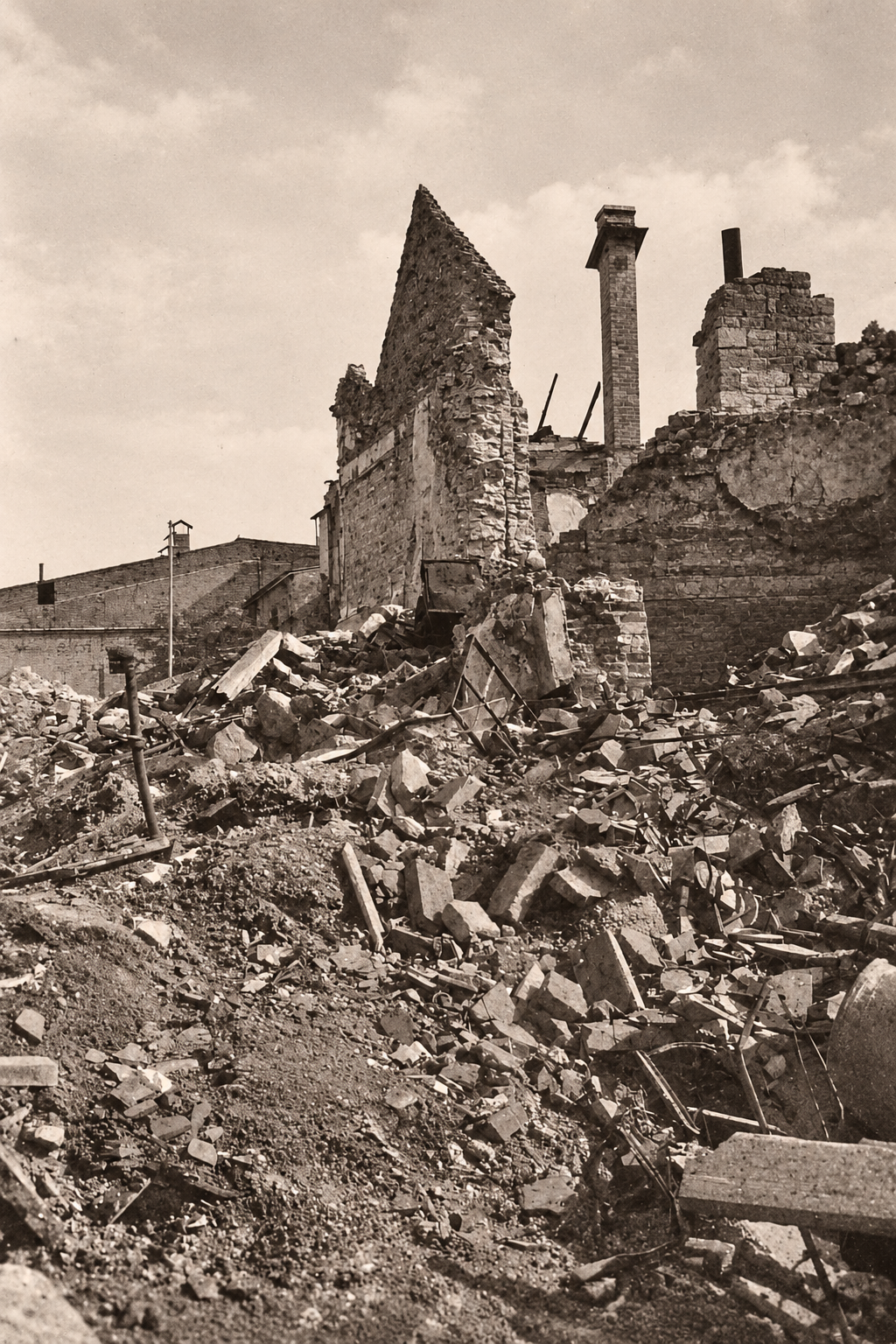
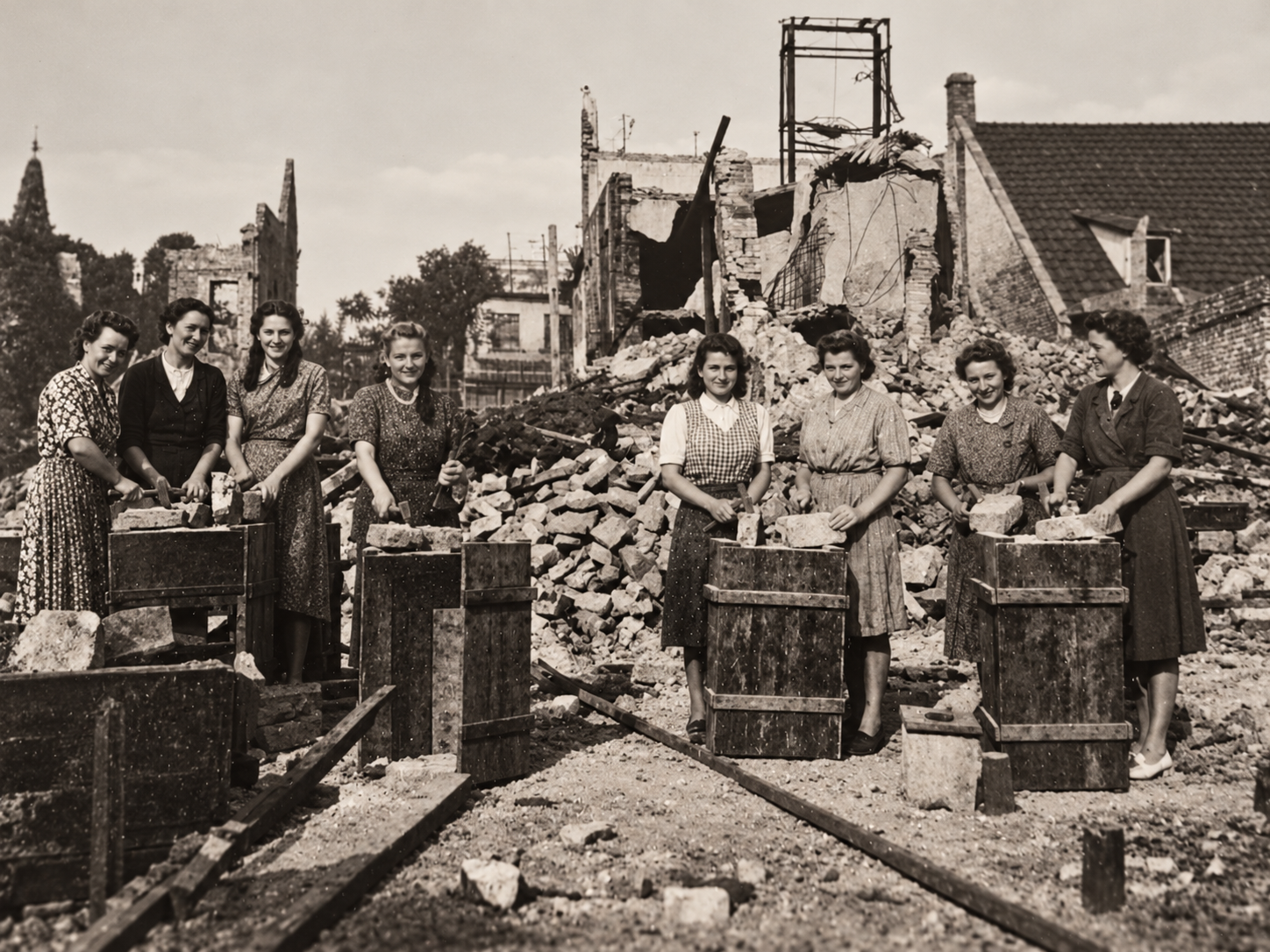
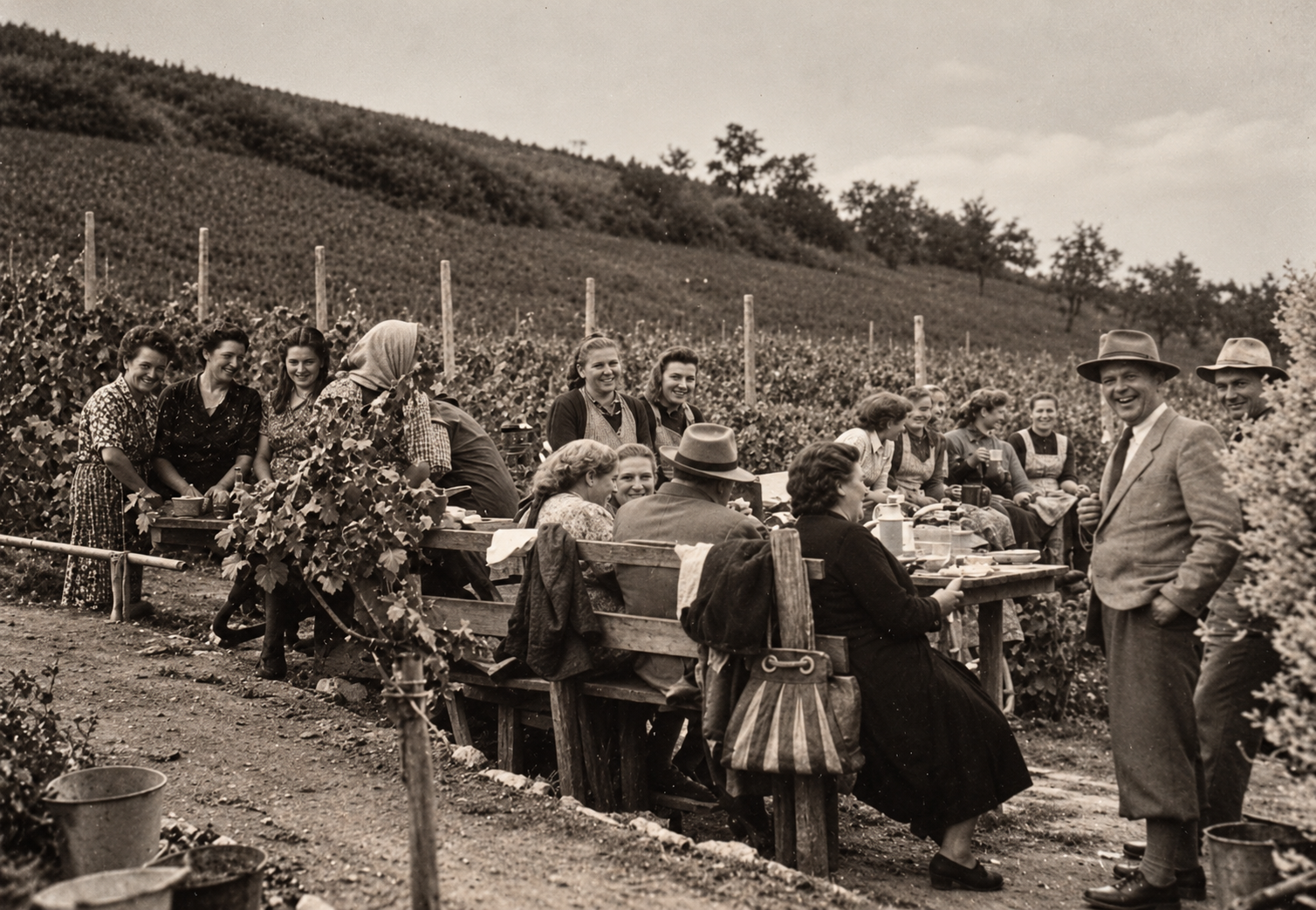
From Bernhard Völker to 2Naturkinder
In 1865 the railway reached Kitzingen. Wine could suddenly travel to Munich, Frankfurt or Berlin, and a town that lived on the wine trade moved a good deal closer to the rest of the country.
Carl Völker understood what that meant. In 1883 he bought land on Güterhallstraße, right where railway, trade and workshops met, and built a cellar, farm buildings and a house. It is still our home, and the cellar is still where our wines ferment.
The 140 years since were not a straight line. The business grew and shrank, vineyards came and went, technology and markets changed. Each generation took over something it found and turned it into something else. Bernhard Völker took over in 1983, modernised, replanted and bought tanks, barrels and a press. Ten years later the company celebrated its 150th birthday, with an idea of what a modern winery should be that has little in common with ours. The estate survived because it kept changing.
So it was far from settled that the next generation would carry on. We came back in 2013, by a roundabout route described on About us, with very different ideas of what this business could become. The conventional range ended in 2019, and at the start of 2020 Bernhard handed the company to the next generation.
On paper the company is still Bernhard Völker; to everyone else the winery is 2Naturkinder. We've got used to the double name and have come to like it. One says where we come from, the other what we made of it.
The vineyard Georg Bernhard bought is still part of the estate. We don't farm it the way he did two and a half centuries ago, nor the way our grandfather or our parents did. Why would we?
Tradition, for us, isn't about repeating the past. It's about having one solid enough to argue with.